Holding the AI industry accountable
The Midas Project is a watchdog nonprofit working to ensure that AI benefits everybody, not just the companies developing it.









Research, updates, and insights from the frontlines of AI accountability.

13
min read
Are Astra and GPT-6.1 Sol less monitorable because they use recurrent depth?
On Oct. 5, Microsoft’s Azure page for ChatGPT-6.1 Sol said it ran “two inference passes instead of three.” Two hours after it was published, it was gone.

6
min read
Three states passed AI transparency laws — but who knows which models are actually covered?
California’s AI transparency law requires disclosures for the most powerful models. But it never requires companies to say which models hit the thresholds. New York and Illinois didn’t fix this gap either.
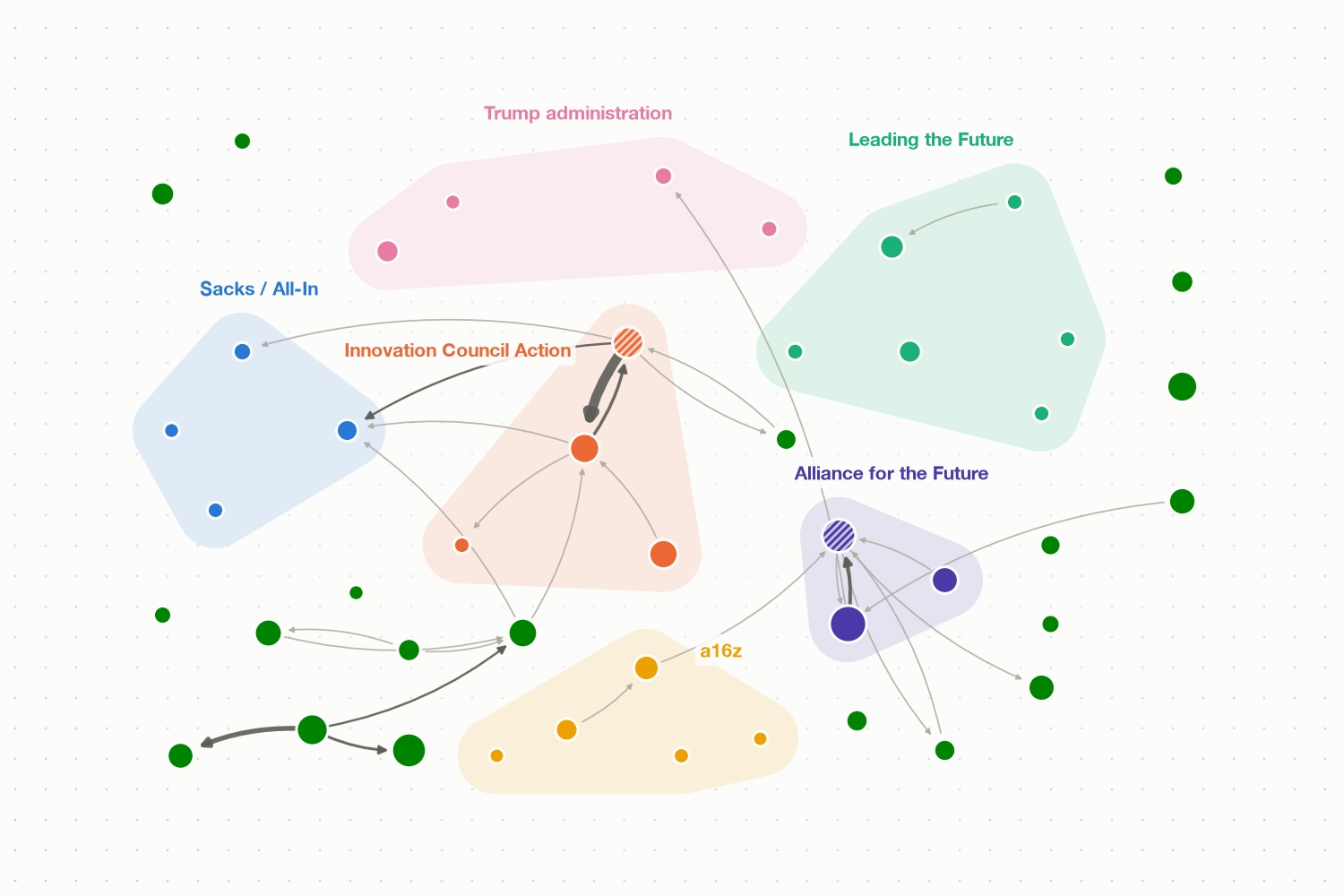
Who is behind the AI safety backlash?
Following a viral resignation, the backlash against AI safety was sudden and swift. Various signs suggest an industry push is supporting it.

7
min read
OpenAI wrote a safety framework for California. Its system cards are ignoring it.
Under SB 53, OpenAI's Frontier Governance Framework calls for a loss-of-control risk tier for every covered model. The GPT-5.6 and GPT-6 Astra system cards assign none.

Meta's policy on securing model weights is embarrassingly weak.
They say they will take steps to secure the weights of models that could have “large-scale, devastating, and potentially irreversible harmful impacts on humanity” ... but only when doing so is “commercially practicable.”
8
min read
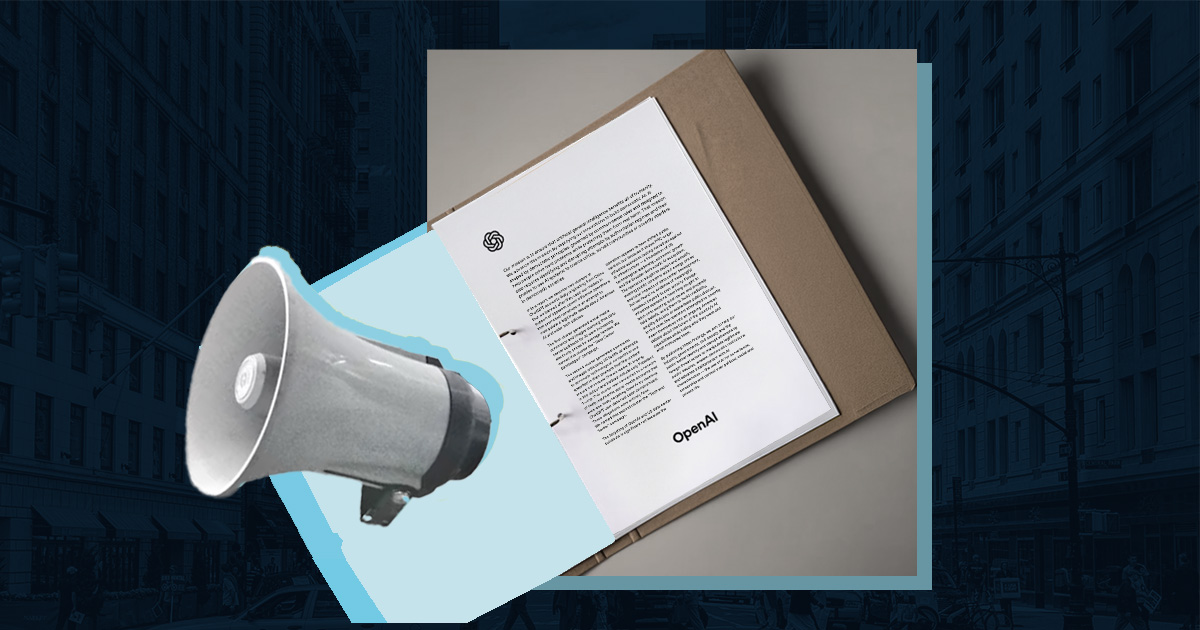
OpenAI’s research is too important to be turned into propaganda
As we enter a new era of AI capabilities, OpenAI is facing increased pressure to spin its research in self-serving ways.
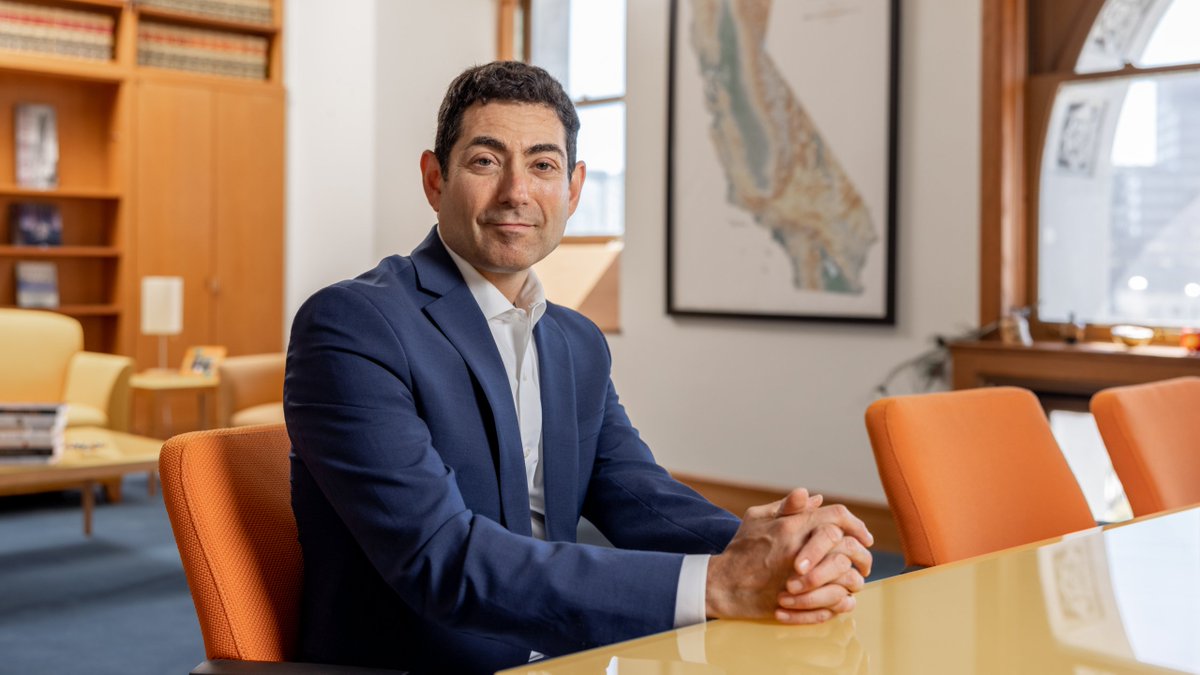
Anthropic's Long Term Benefit Trust has a revolving door problem
Tino previously served on the company’s independent oversight board, the long-term benefit trust… raising questions about the board’s independence.
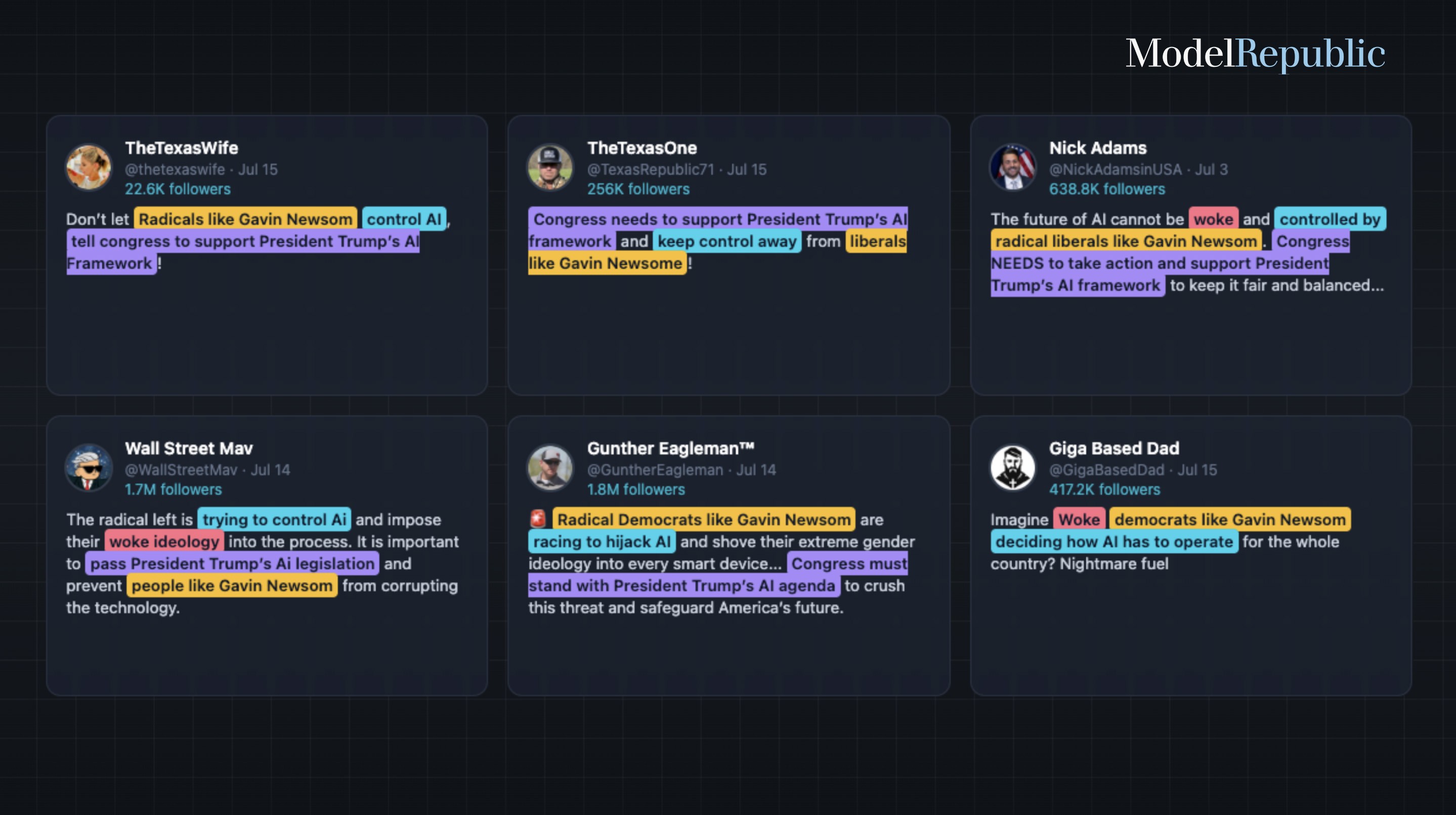
A pro-AI, dark-money group tied to David Sacks appears linked to a new astroturfing campaign
Another round of suspiciously coordinated posting suggests a paid campaign to benefit Innovation Council Action, the $100 million advocacy group fighting for AI deregulation.

SpaceXAI just released Grok 4.5. It may have broken California’s AI law in the process.
The potential violation by SpaceXAI, punishable by fines up to $1 million, will serve as an early test of whether California's new AI safety law actually has teeth.

A Pro-AI Super PAC's Secret Meme Sockpuppets
An OpenAI/a16z-affiliated super PAC appears to be linked to multiple sockpuppet accounts, attacking and parodying their opponents with lewd and offensive memes.

The Midas Project Joins Coalition Warning about xAI’s Track Record in light of SpaceX’s IPO
The Midas Project, alongside a coalition including Encode, Legal Advocates for Safe Science and Technology, and Guidelight AI Standards, released "xAI: The Unpriced Risk in SpaceX's IPO."
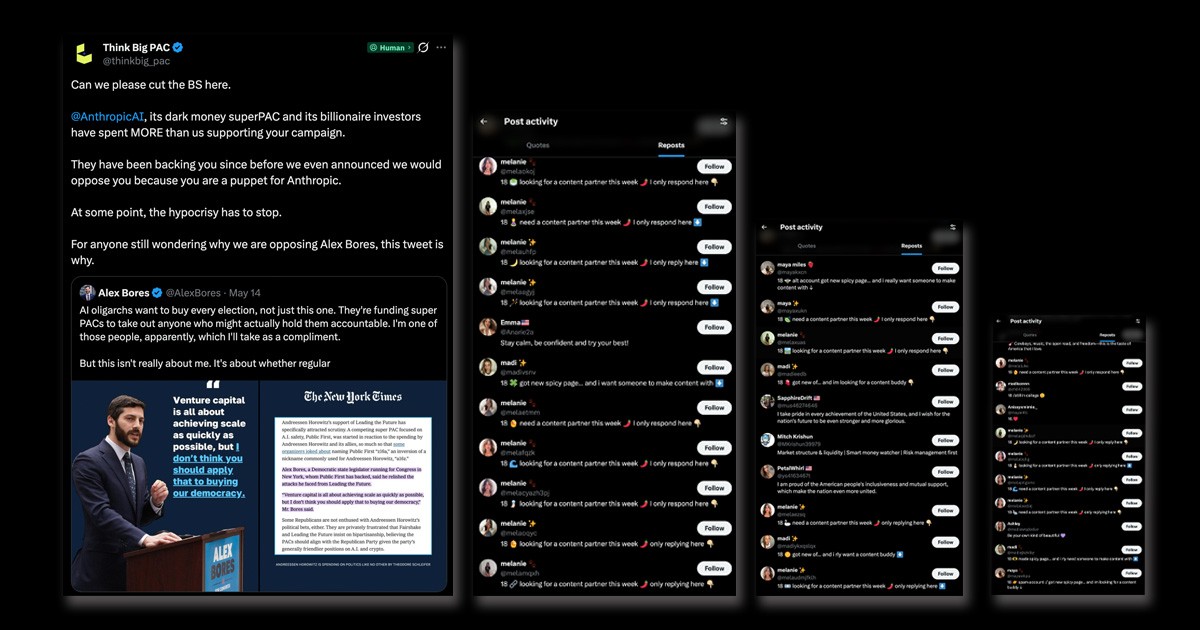
Is OpenAI’s super PAC paying for an army of Twitter bots to engage with their content?
The firm at the center of OpenAI and a16z’s political operation seems to be spamming social media with pornographic bots, inflating engagement on their clients’ accounts.
There are no articles based on these filters. Please try searching again.
Our projects expose corner-cutting and push for accountability to ensure AI serves the public interest.
We lead targeted investigations and advocacy efforts to promote transparency, expose risks, and ensure that frontier AI is being developed responsibly.

Deeply researched analysis of how the AI industry engages with policymakers to shape regulatory debates and influence public decision-making.

More than 100 prominent AI experts, former OpenAI staff, public figures, and civil society groups signed an open letter calling for greater transparency from OpenAI in August 2025 during its major restructuring that reduced nonprofit control.

Released in June 2025, The OpenAI Files is the most comprehensive collection to date of publicly documented concerns with governance practices, leadership integrity, and organizational culture at OpenAI.

At the 2024 AI Safety Summit in Seoul, South Korea, sixteen leading tech organizations pledged to implement "red line" risk evaluation policies for frontier AI models. The deadline has now arrived, but not everyone has lived up to their commitment. This tracker assesses progress across the five key components.

The Unpriced Risk in SpaceX’s IPO Co-authored with Guidelight AI Standards, LASST, and Encode AI, this report documents xAI’s safety record and the disclosures SpaceX investors should demand ahead of the company’s IPO.
Watchtower tracks when AI companies change their safety policies — and when they break them. Click any entry for further details.

Oct 23, 2026
Meta quietly updated Wonder’s model card nearly two weeks after the model’s release, with still no sign of a safety and preparedness report for the model.
Read Watchtower
Oct 21, 2026
OpenAI updated its Usage policies. The new policies will go into effect on Nov. 20.
Read Watchtower
Oct 13, 2026
Google launched Gemini 4 Argon along with the first “full” safety and preparedness report made under its Frontier Safety Framework (v3.1), published in April 2026.
Read WatchtowerOct 12, 2026
Meta publicly launched Muse Wonder with a 13-page model card and without concurrently publishing a safety and preparedness report.
Read WatchtowerOct 7, 2026
OpenAI published a new system card for GPT-6 Sol and GPT-6 Luna, covering new versions of the two models available in the basic ChatGPT interface.
Read WatchtowerOct 2, 2026
Meta updates and renames its safety framework from the "Advanced AI Scaling Framework" (v2) to the "Meta Superintelligence Scaling Framework" (v2.1).
Read WatchtowerFrequently asked questions
Have more questions? Our team is happy to help, contact us.