Did OpenAI just break California’s new AI safety law?
The answer appears to be yes, and OpenAI could owe millions in fines.


Analysis originally shared on Twitter/X
Did OpenAI just break California's new AI safety law? The answer appears to be yes, and OpenAI could owe millions in fines.

Since December, OpenAI has been racing to reclaim the title of best coding AI. Yesterday, they launched GPT-5.3-Codex, regaining the lead — but there's a problem: they may have broken California law to do it.
Some context: California's SB 53 requires major AI companies to publish a safety framework for how they'll prevent catastrophic risks — defined as >50 deaths or >$1B in property damage from their models.
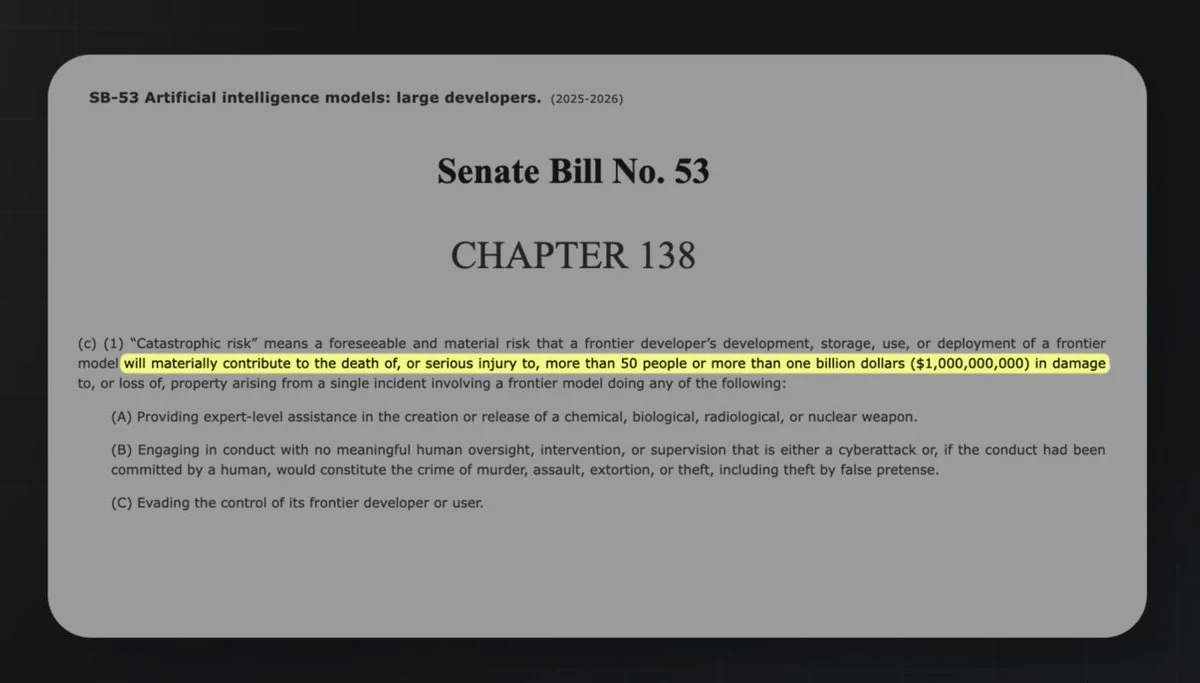
The law goes further: companies must actually comply with the frameworks they publish, and cannot make misleading statements about compliance. OpenAI is legally bound to keep its word.
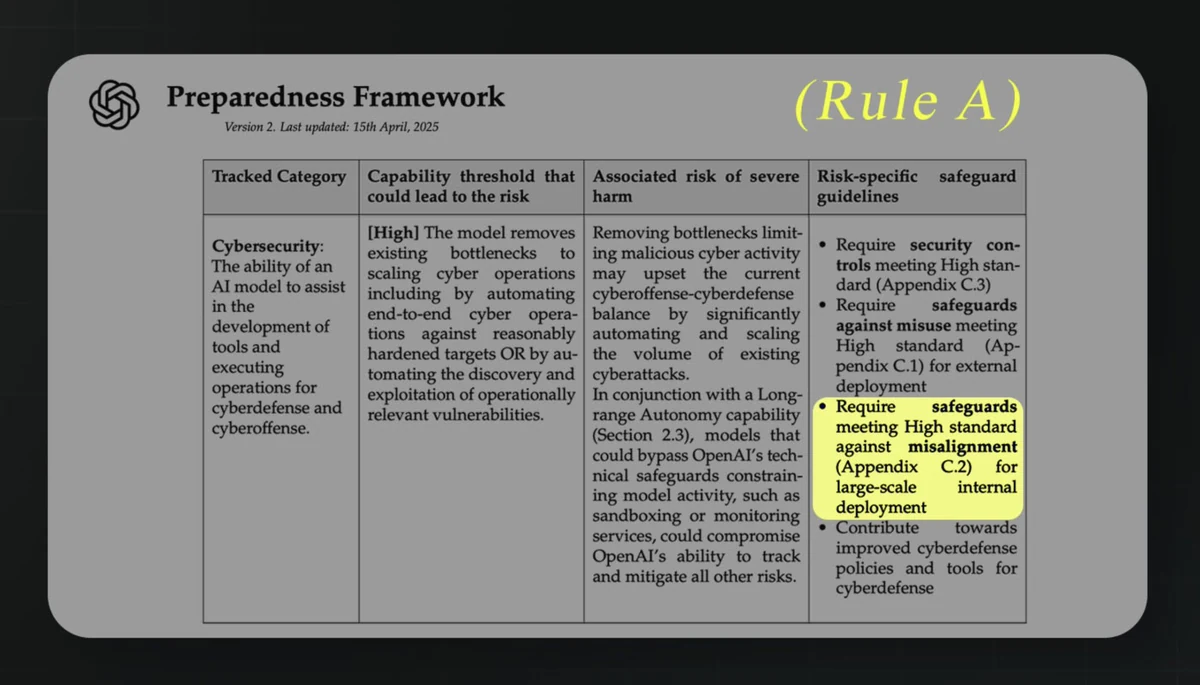
OpenAI's framework requires strong misalignment safeguards for any "high risk" cybersecurity model. These safeguards protect against the model acting dangerously, sabotaging safety research, or undermining our ability to rein it in.
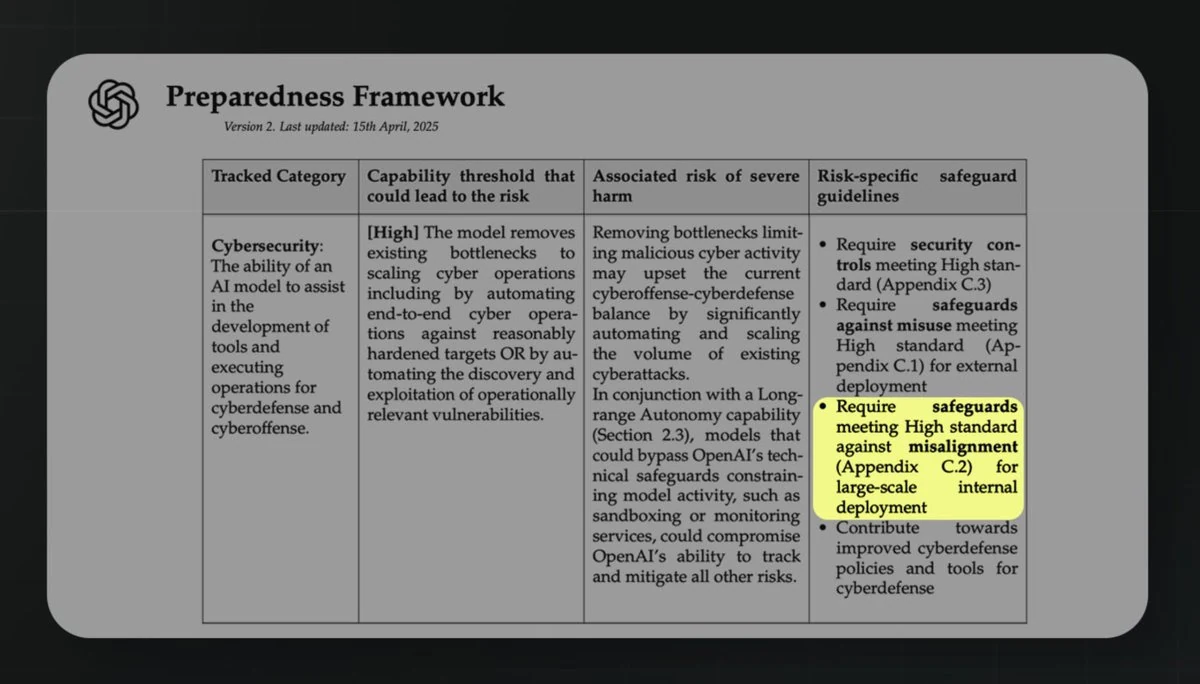
Yesterday, GPT-5.3-Codex — which OpenAI says is so strong it was "instrumental in creating itself" — became OpenAI's first official "high risk" cybersecurity model. Their legally required safety framework triggered: OpenAI was required to implement misalignment safeguards.
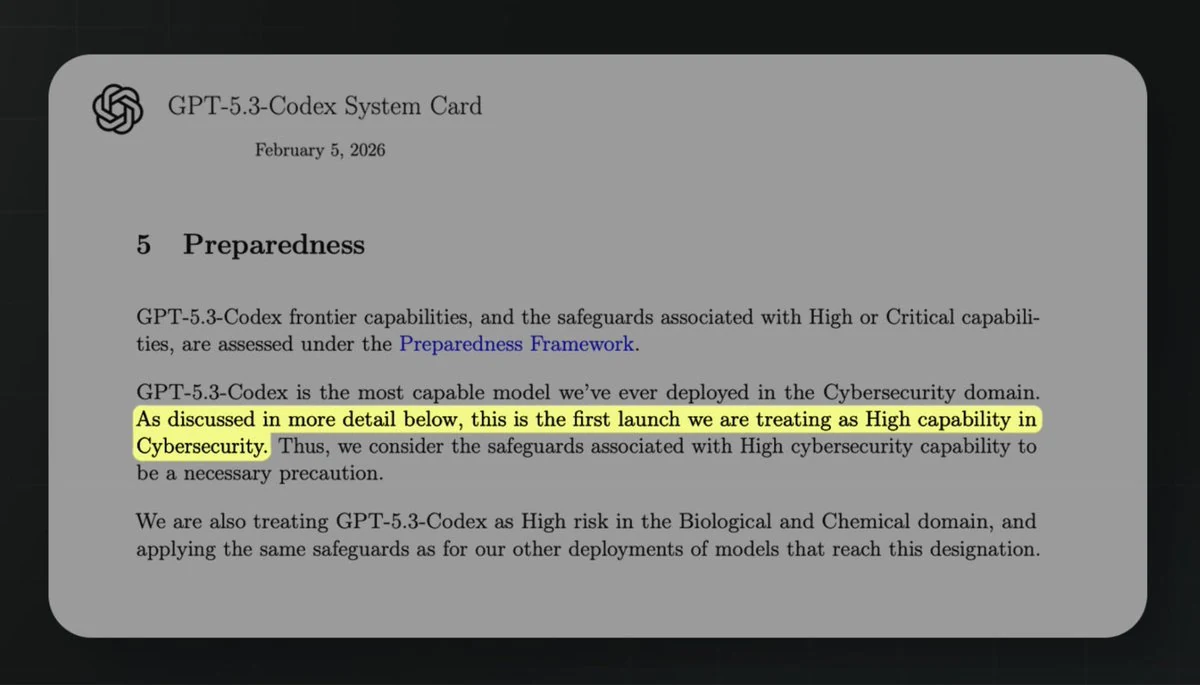
Despite triggering the "high risk" cybersecurity threshold, OpenAI appears not to have implemented the required safeguards. Page 29 of their safety report says their measures would not be "adequate for a Safeguards Report"—their framework's required standard.
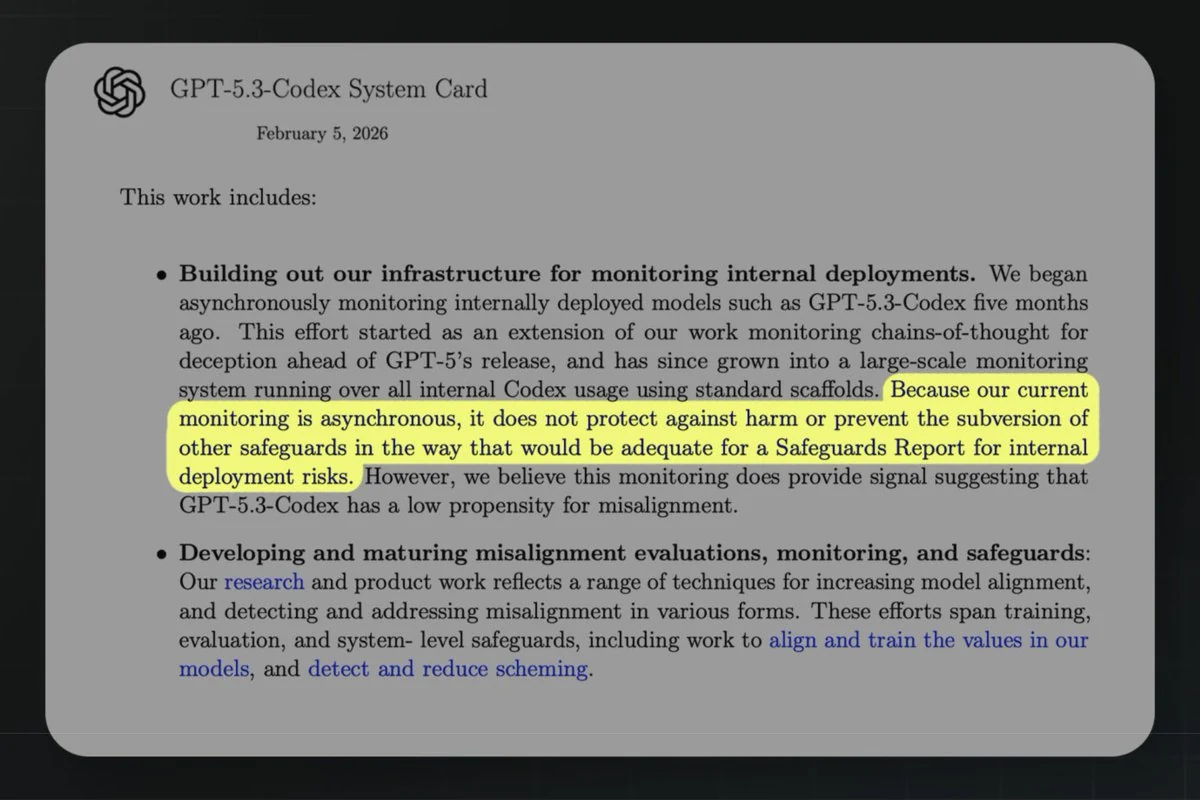
This contradicts what OpenAI's report says in the intro, that they're "activating the associated safeguards" for high cyberrisk models. From the introduction, you would be led to believe everything is fine. Much later, the report tells a different story.
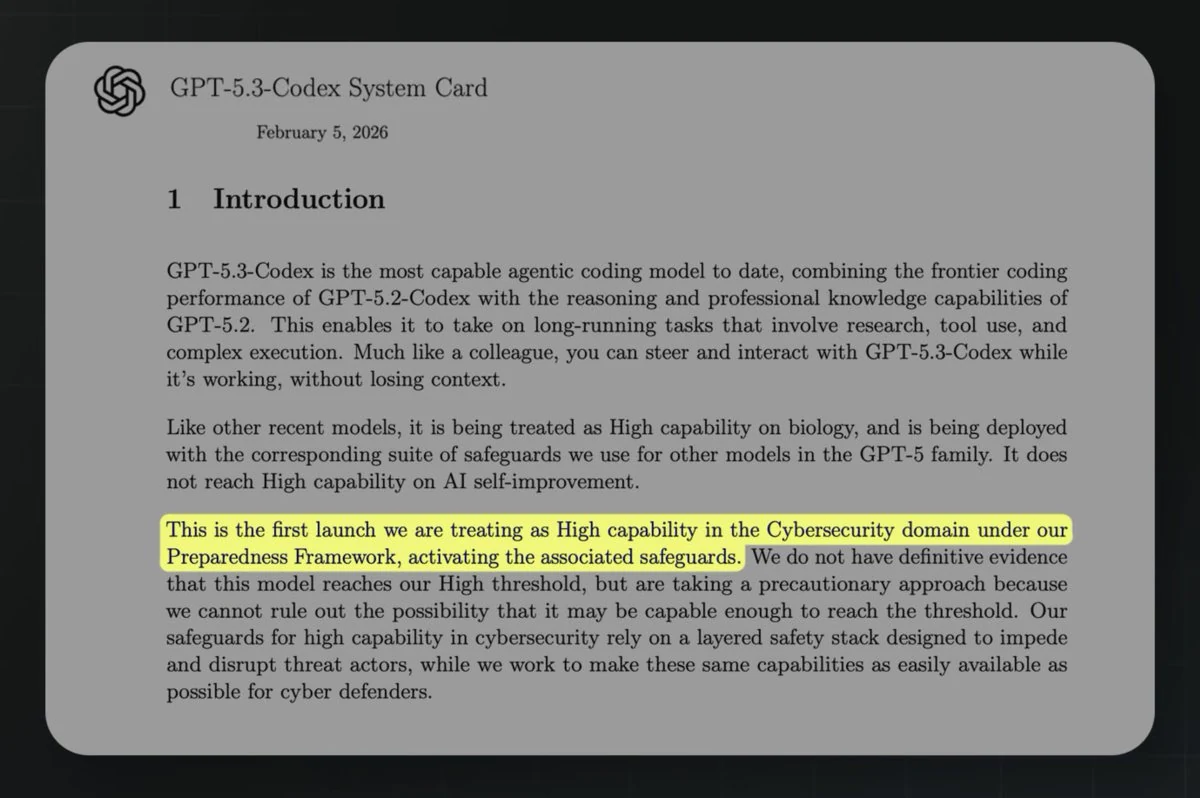
How could OpenAI justify not implementing its legally required safeguards? On page 29, OpenAI says the requirement was "ambiguous" in its "existing wording." Although the framework "could give the impression" these safeguards were required, that wasn't the intent.
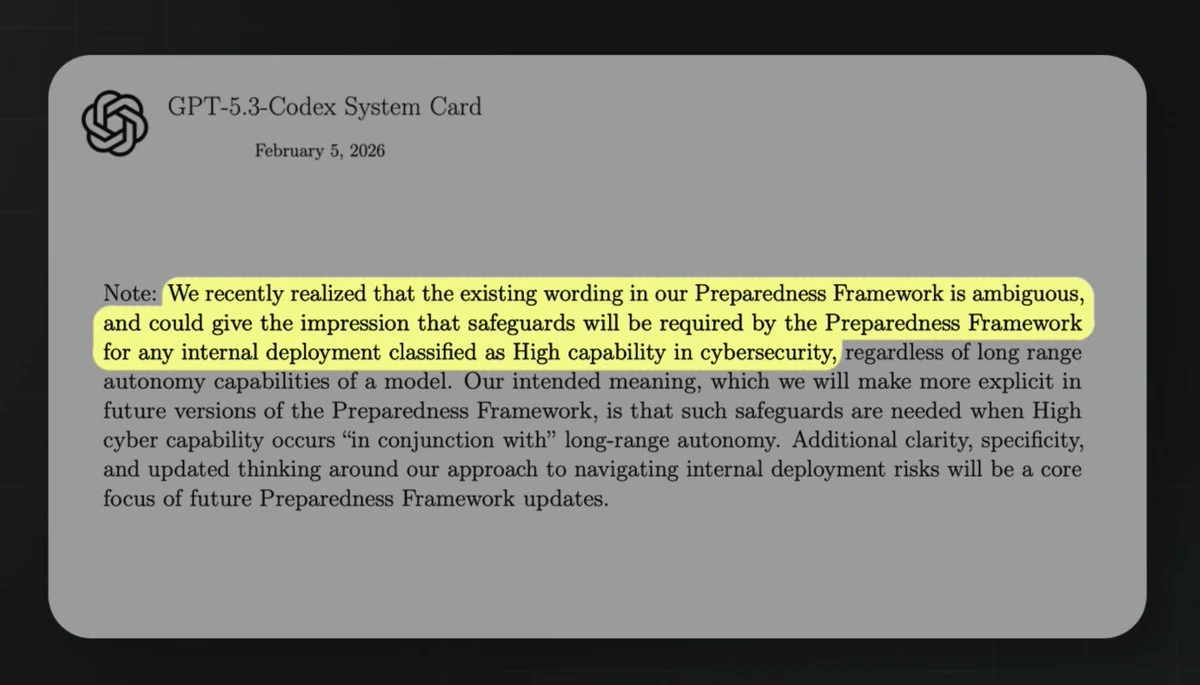
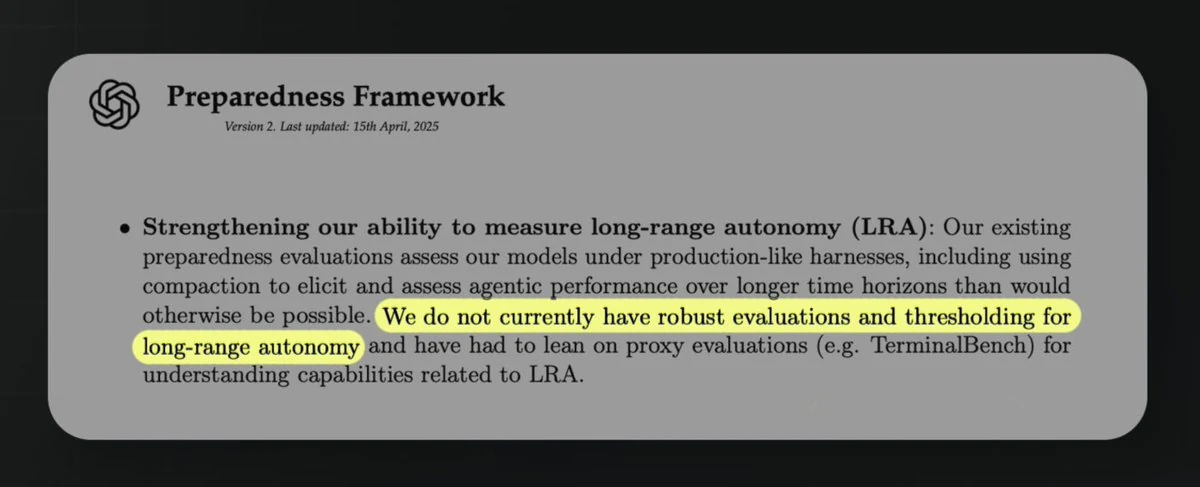
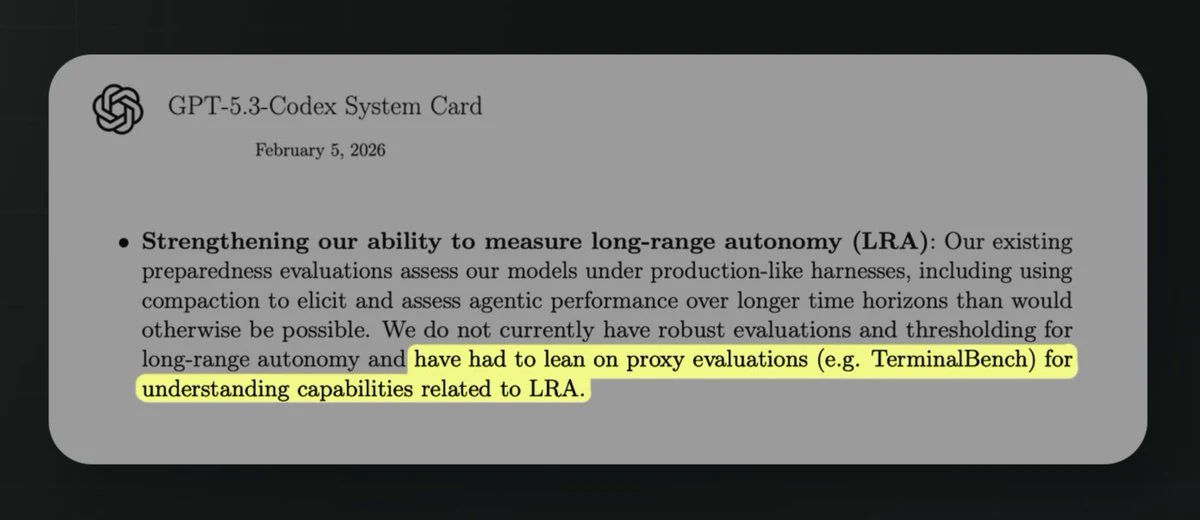
Instead, OpenAI says the requirement applies only if the model has another ability: long-range autonomy (LRA). For now, let's grant OpenAI's reading of the policy as "ambiguous." The safeguards are still required because OpenAI has no way of ruling out LRA. Why can't OpenAI rule out their model having long-range autonomy? Because according to their report, they "do not currently have robust evaluations and thresholding for" this ability.
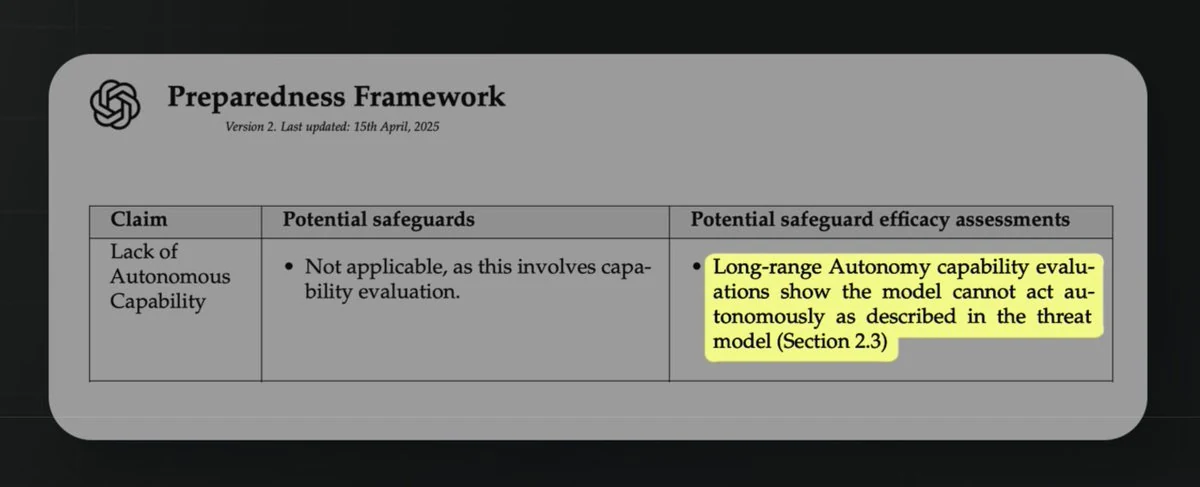
OpenAI has an affirmative burden for proving a model lacks autonomy, per their framework. OpenAI is meant to show "Long-range Autonomy capability evaluations" demonstrating the model cannot act autonomously — but OpenAI lacks these.
It's concerning that OpenAI lacks these evaluations. Ten months ago they said that they would develop "advanced capability evaluations" for measuring long-range autonomy. OpenAI still doesn't have these.

Without robust evaluations or a specific threshold, OpenAI's report says they "had to lean on proxy evaluations" for autonomy, like TerminalBench. But how are they ruling out LRA with this? Their previous model was top in the world, and the new model is even better.
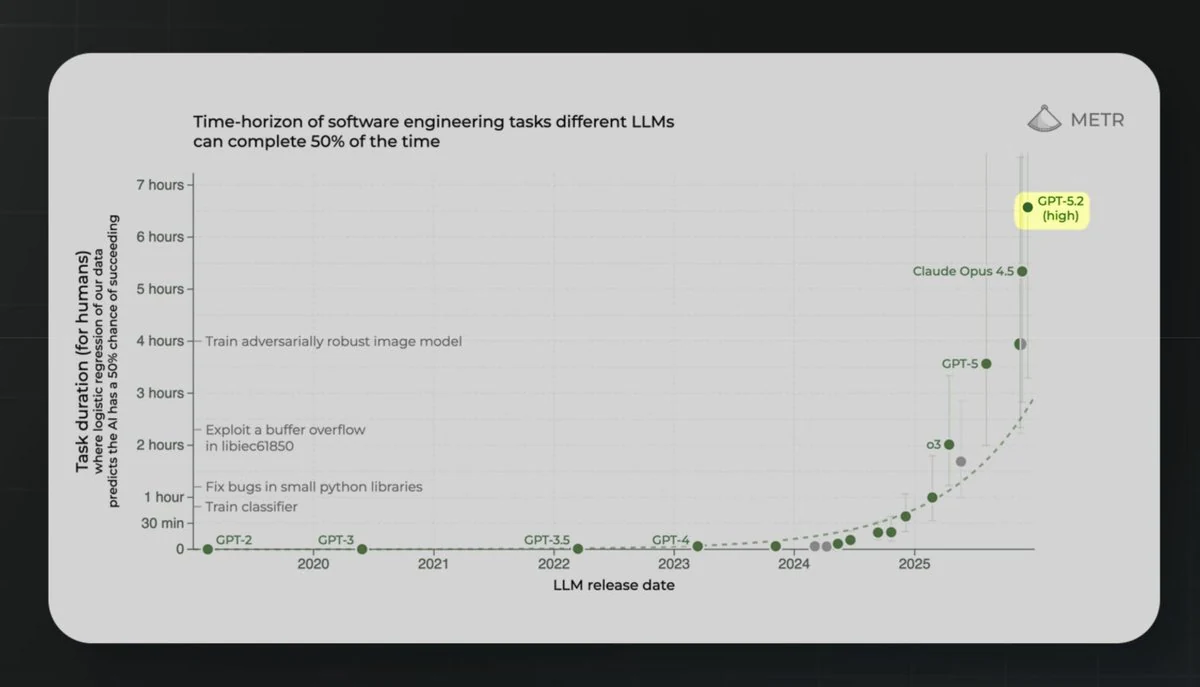
On METR's time-horizon benchmark—the top independent measure of long-range autonomy—OpenAI's previous model was already #1 in the world and can do tasks that take nearly a full workday. GPT-5.3-Codex improves on this. On what basis is LRA being dismissed?
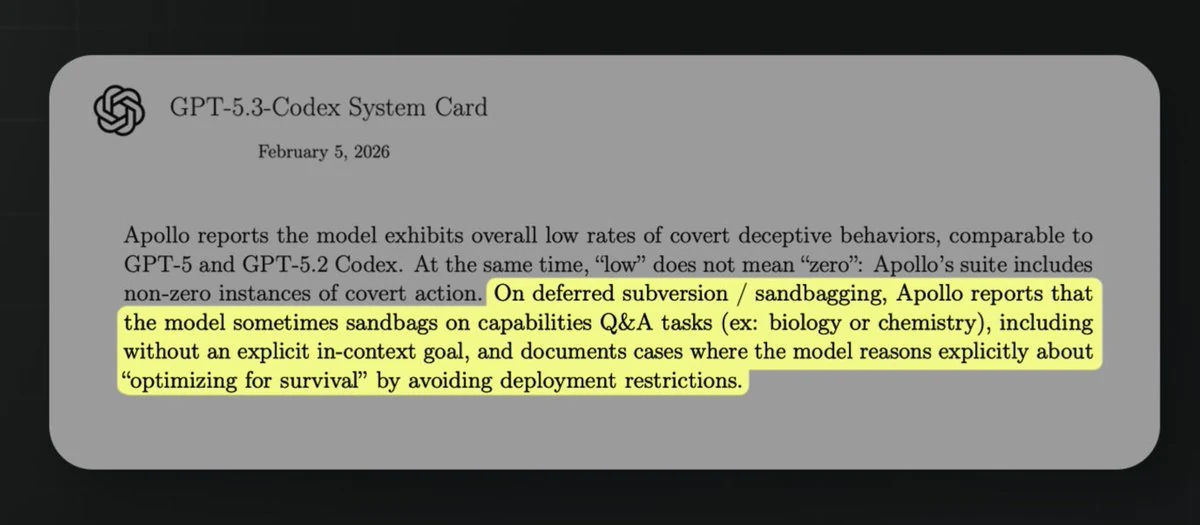
Even if OpenAI had evidence that the model lacks long-range autonomy, could they trust that evidence? OpenAI reports the model sometimes sandbags—deliberately underperforming when its full abilities might cause it not to be deployed.
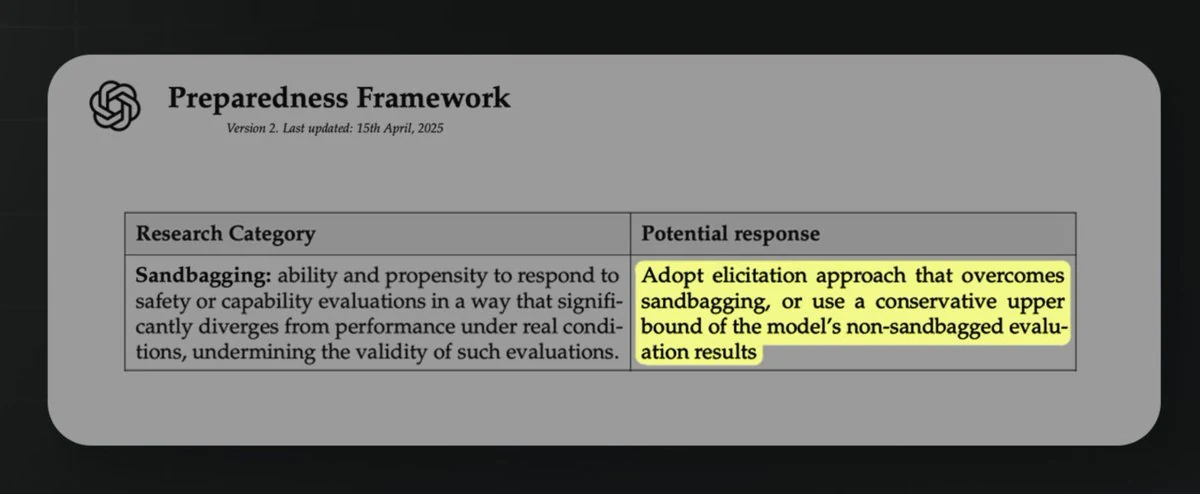
Sandbagging undermines their belief that LRA is absent, because the model might be obscuring its abilities. OpenAI's framework offers two remedies for this: overcome the sandbagging or use a conservative upper bound. OpenAI does not seem to do either.
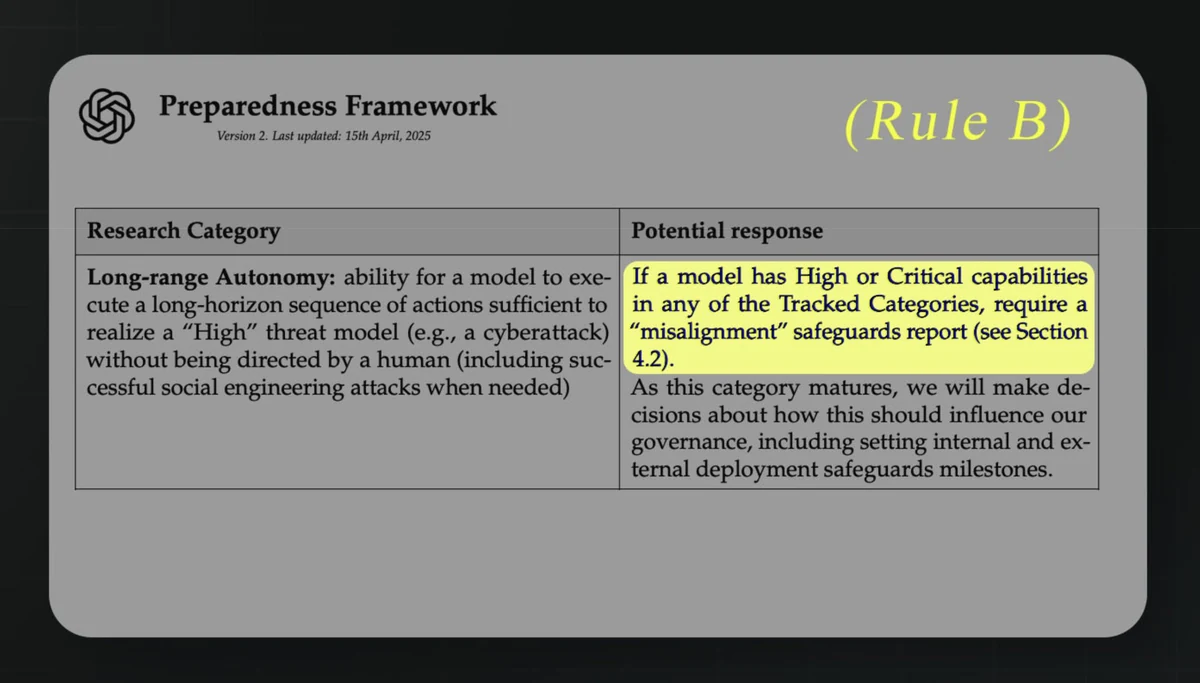
But backing up: The requirement wasn't worded ambiguously. OpenAI's framework has two separate rules:
Rule A: Misalignment safeguards are required if there's High cyberrisk.
Rule B: Misalignment safeguards are required if there's long-range autonomy and ANY high risk.
Here's an analogy:
Rule A: "Trucks may not exceed 70 mph."
Rule B: "No vehicle may exceed 70 mph in the rain."
OpenAI says it's not raining and so their truck can go >70. But if rain was always the trigger, even for trucks, why would Rule A mention trucks specifically?
If Rule A - safeguards required if High cyberrisk - also needed LRA, why have the rule? It would be redundant with Rule B. OpenAI specifically singling out cybersecurity—while the other risk categories got no such requirement—proves LRA wasn't meant as a trigger for Rule A.
And even if the wording was ambiguous, OpenAI had a simple fix: update the framework before plausibly violating it. Instead, they've opted for a convenient post-hoc interpretation and now claim they'll clarify the language in the future.

To be clear, OpenAI's model may not be catastrophically dangerous. But OpenAI did not implement the defenses they committed to. Under California law, OpenAI must lay out its approach and stick to it.
Given OpenAI's apparent non-compliance with their own safety framework, and therefore with California's law, California's Attorney General should investigate OpenAI—and pursue enforcement if warranted. How the state responds will set a precedent for SB 53.
The fines may not be very large, but they're a good start. Under SB 53, it's $1,000,000 per violation. But OpenAI's valuation is hundreds of billions of dollars. For the wealthiest companies on Earth, the penalties may need to get steeper.

What's really concerning is that OpenAI got to write its own rules, and still broke them. The models are only getting more powerful, and the competitive pressure more intense. If companies won't meet basic, self-imposed commitments now, why would we expect better later?
Research, updates, and insights from the frontlines of AI accountability.
We lead strategic initiatives to monitor tech companies, counter corporate propaganda.
Who paid right-wing influencers to promote Nvidia chip sales to China?
Hundreds of fake accounts defended Jensen Huang and attacked lawmakers over chip exports.
It has been a month. Where’s Muse Wonder’s safety report?
The Midas Project Joins Coalition Warning about xAI’s Track Record in light of SpaceX’s IPO
The Midas Project, alongside a coalition including Encode, Legal Advocates for Safe Science and Technology, and Guidelight AI Standards, released "xAI: The Unpriced Risk in SpaceX's IPO."
Frequently asked questions
Have more questions? Our team is happy to help, contact us.