Google upgraded Gemini 3 Deep Think without publishing any safety results
Either they evaluated this February version and can simply publish the results, or they’re asserting that it poses no additional risk without having rigorously checked.


Analysis originally shared on Twitter/X
Last week, we criticized OpenAI's release of GPT-5.3-Codex. That was a real, albeit narrow, dispute about an otherwise serious safety evaluation process.
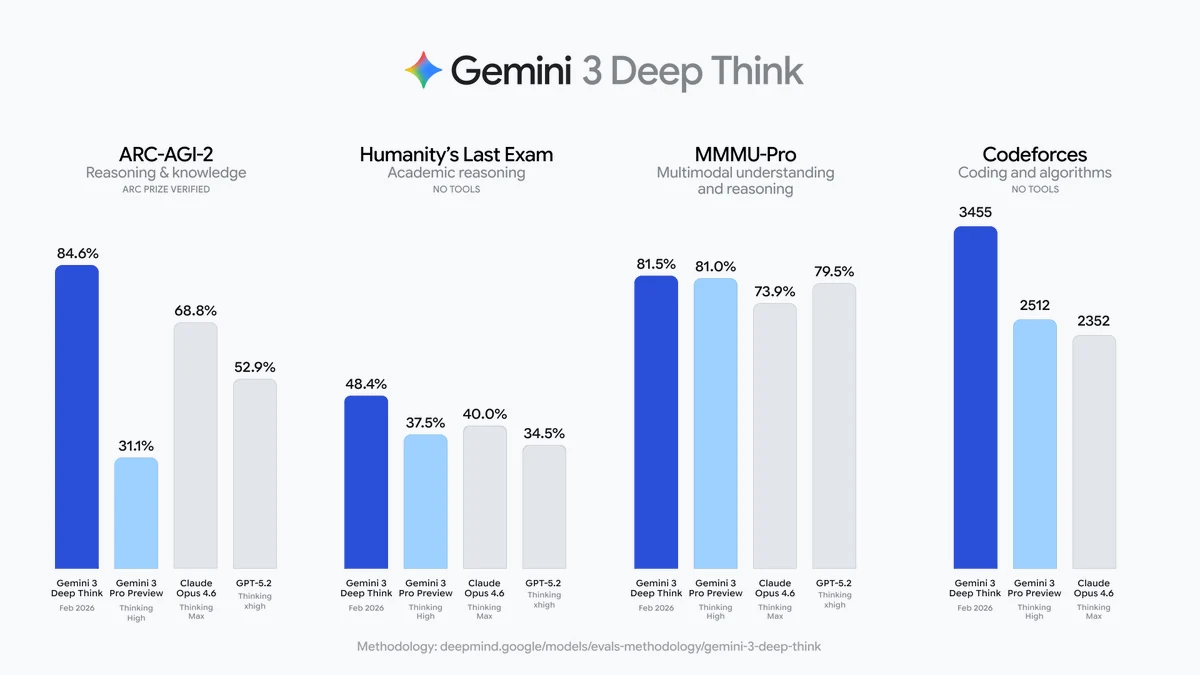
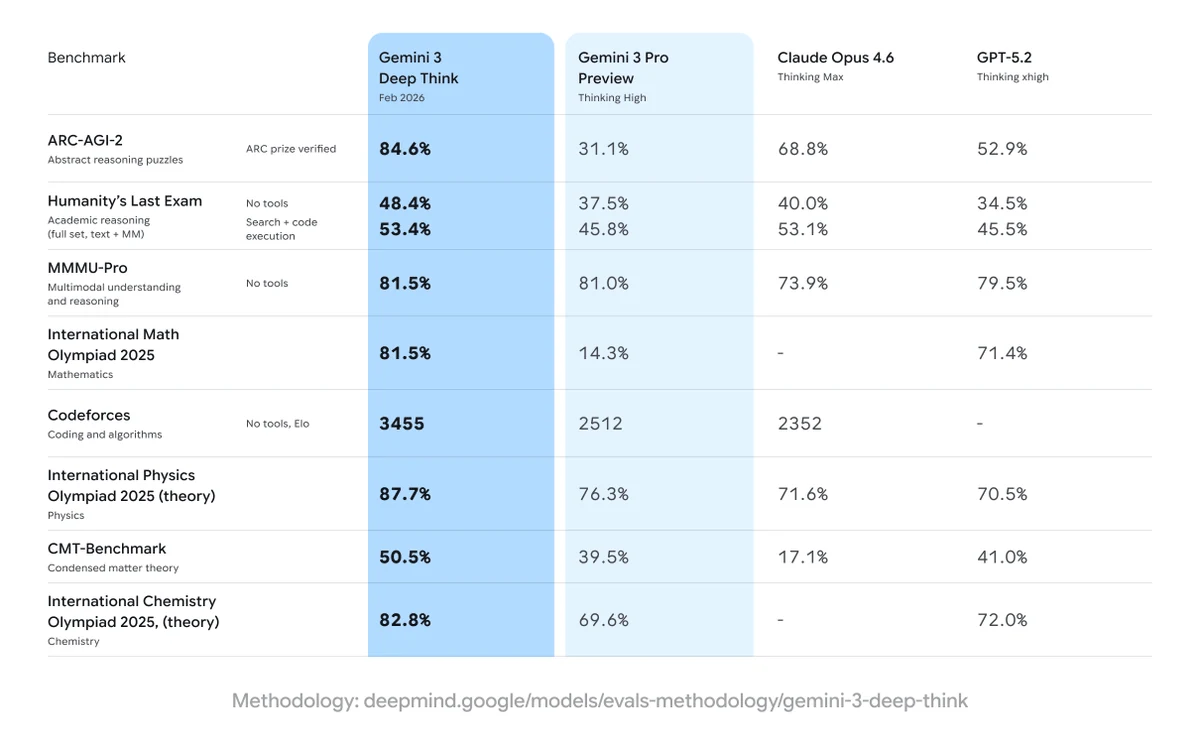
Google has released an upgrade of a similar magnitude with no safety results at all.
We reached out to Google, as did Zvi Mowshowitz. Google's position is that "Gemini 3 Deep Think is a mode that uses the Gemini 3 Pro model, and therefore our Gemini 3 Pro model card and safety evaluations apply to its capabilities."
The representative went on to explain: "While we have seen improvement in performance / capability gains as shared in our blogpost, these gains did not introduce any additional risks or cross any FSF thresholds beyond the evaluations which were run in December..."
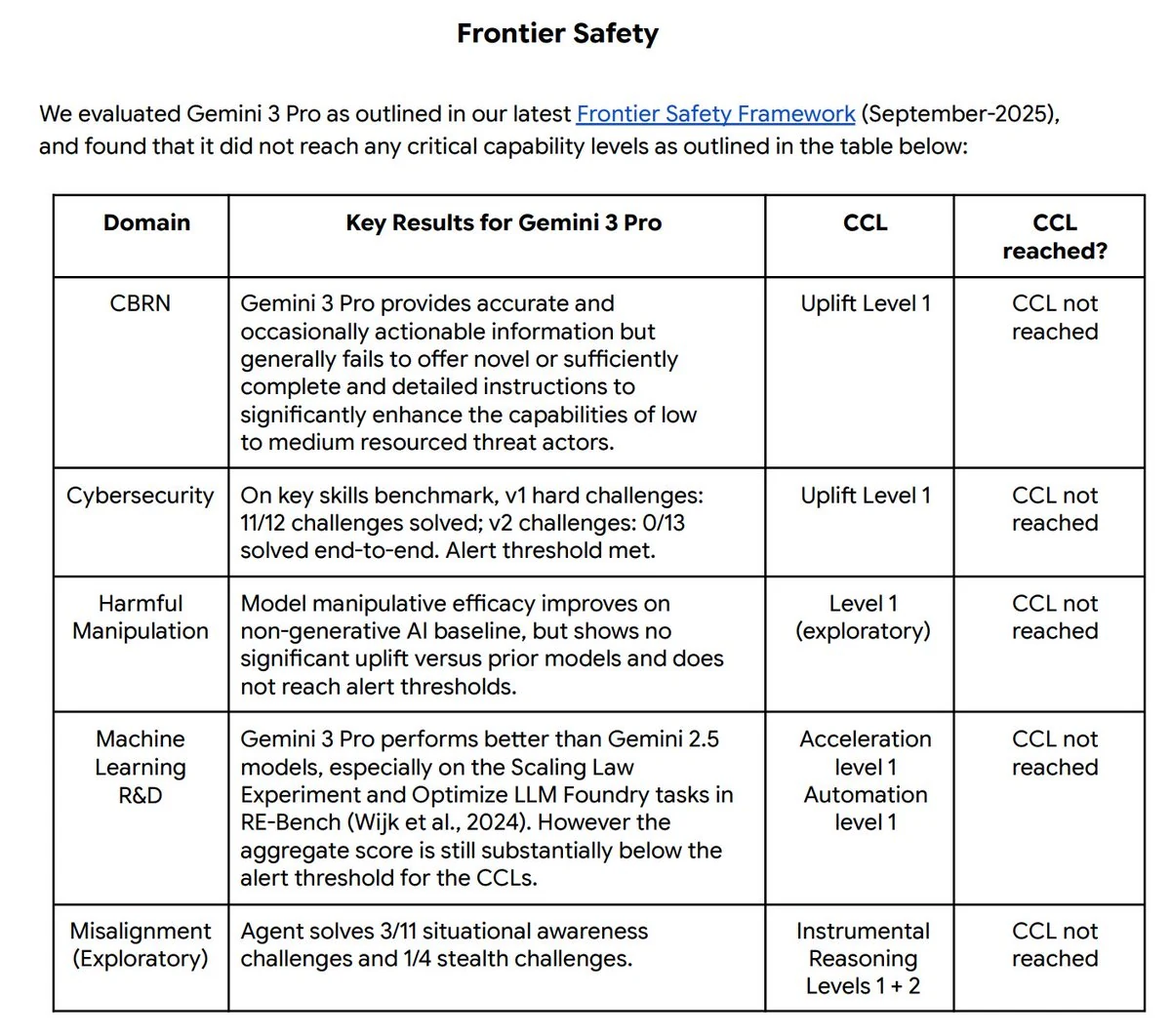
But how do they know it poses no new risks?
Either they evaluated this February version and can simply publish the results, or they're asserting that it poses no additional risk without having rigorously checked.
Google's own Frontier Safety Framework commits to reassessment when subsequent versions show "meaningful new capabilities or a material increase in performance." The benchmark improvements here speak for themselves.
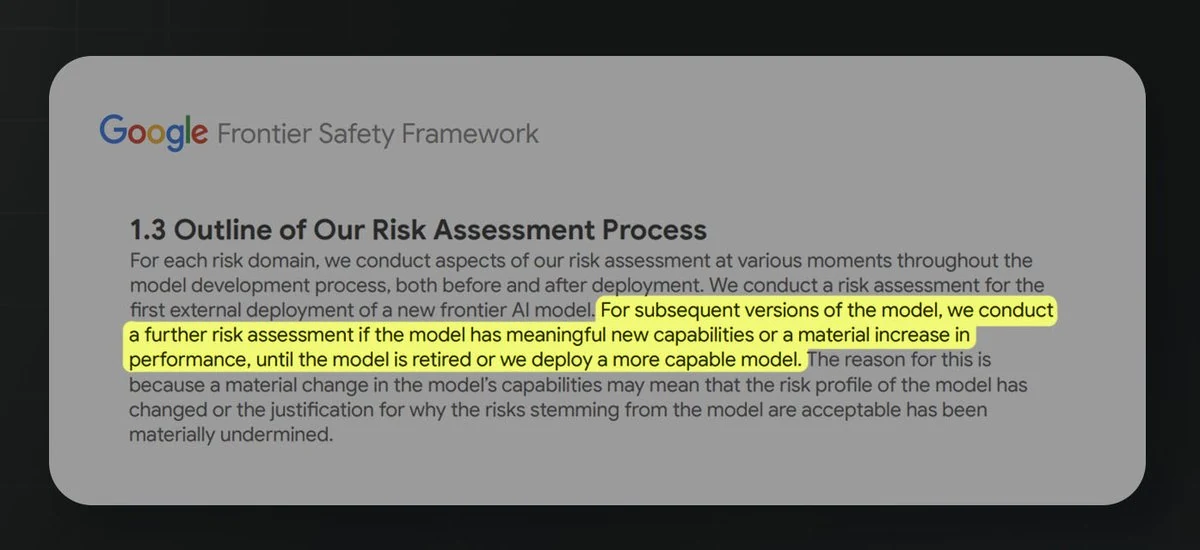
Importantly, the FSF says nothing about how capability gains were achieved. It triggers on capabilities, not mechanisms. Whether the improvements come from new weights or inference-time improvements and scaffolding, the capability question is what matters.
If inference-time scaling is categorically exempt from reassessment, labs can ship arbitrarily large capability gains without ever triggering their own safety frameworks, just by holding the weights constant. That can't be the right reading.
For context, when we raised similar concerns about OpenAI, they had at least run most of their safety evals and published a system card demonstrating such. Here, Google is simply saying "trust us."
We'd encourage Google to publish whatever safety work has been done, if any, on the current version of Deep Think. If there are results showing nothing crossed any thresholds, great. That's exactly how this process is supposed to work.
But this emphasizes a point made by Steven Adler and Dean W. Ball: this conversation shouldn't just happen on Twitter. Critiquing lab behavior by reading between the lines in blog posts and PDFs will not beget a healthy, high-trust ecosystem.
We need something stronger, like independent auditors that are given confidential access to the evaluation process and can credibly ensure that AI companies are living up to their legal and voluntary commitments.
Research, updates, and insights from the frontlines of AI accountability.
We lead strategic initiatives to monitor tech companies, counter corporate propaganda.
Who paid right-wing influencers to promote Nvidia chip sales to China?
Hundreds of fake accounts defended Jensen Huang and attacked lawmakers over chip exports.
It has been a month. Where’s Muse Wonder’s safety report?
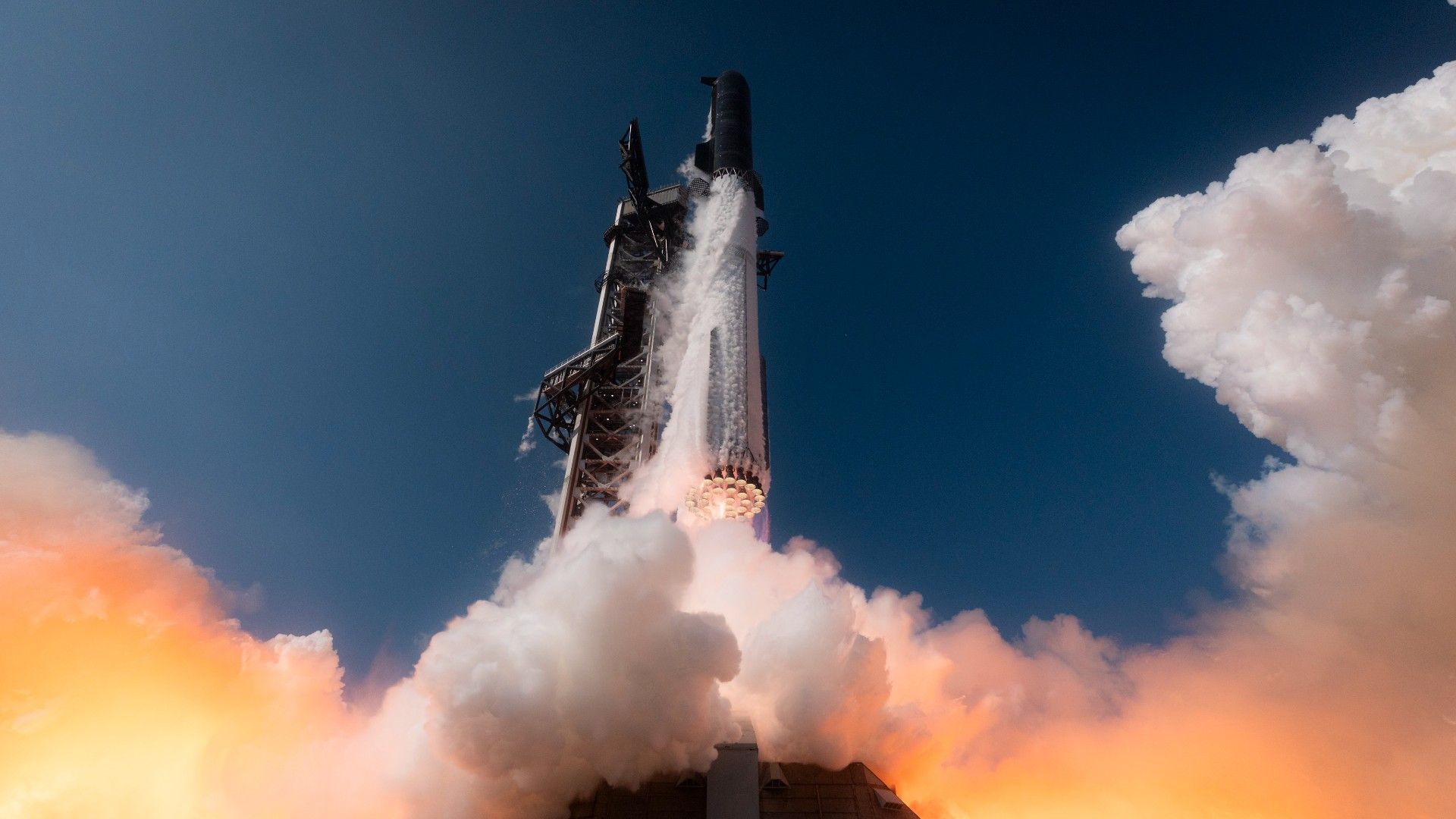
The Midas Project Joins Coalition Warning about xAI’s Track Record in light of SpaceX’s IPO
The Midas Project, alongside a coalition including Encode, Legal Advocates for Safe Science and Technology, and Guidelight AI Standards, released "xAI: The Unpriced Risk in SpaceX's IPO."
Frequently asked questions
Have more questions? Our team is happy to help, contact us.